


While much of the Swiss watch industry braces for the aftershocks of a cooling global luxury market, Patek Philippe continues to hold its position as one of the industry’s most formidable players. The company remains privately held by the Stern family, and it does not publish annual reports. But available data suggests Patek produced approximately 70,000 watches in 2023. This figure has held relatively stable for several years, in line with the brand’s stated strategy of limiting output growth to preserve exclusivity.

While Rolex moves more than a million units per year and Swatch Group’s Omega pushes past 500,000, Patek plays a completely different game. Its watches, Calatravas, Nautiluses, World Timers, and perpetual calendars, are produced in comparatively small batches, many on a multi-year waitlist basis, and distributed through a tightly controlled global network.
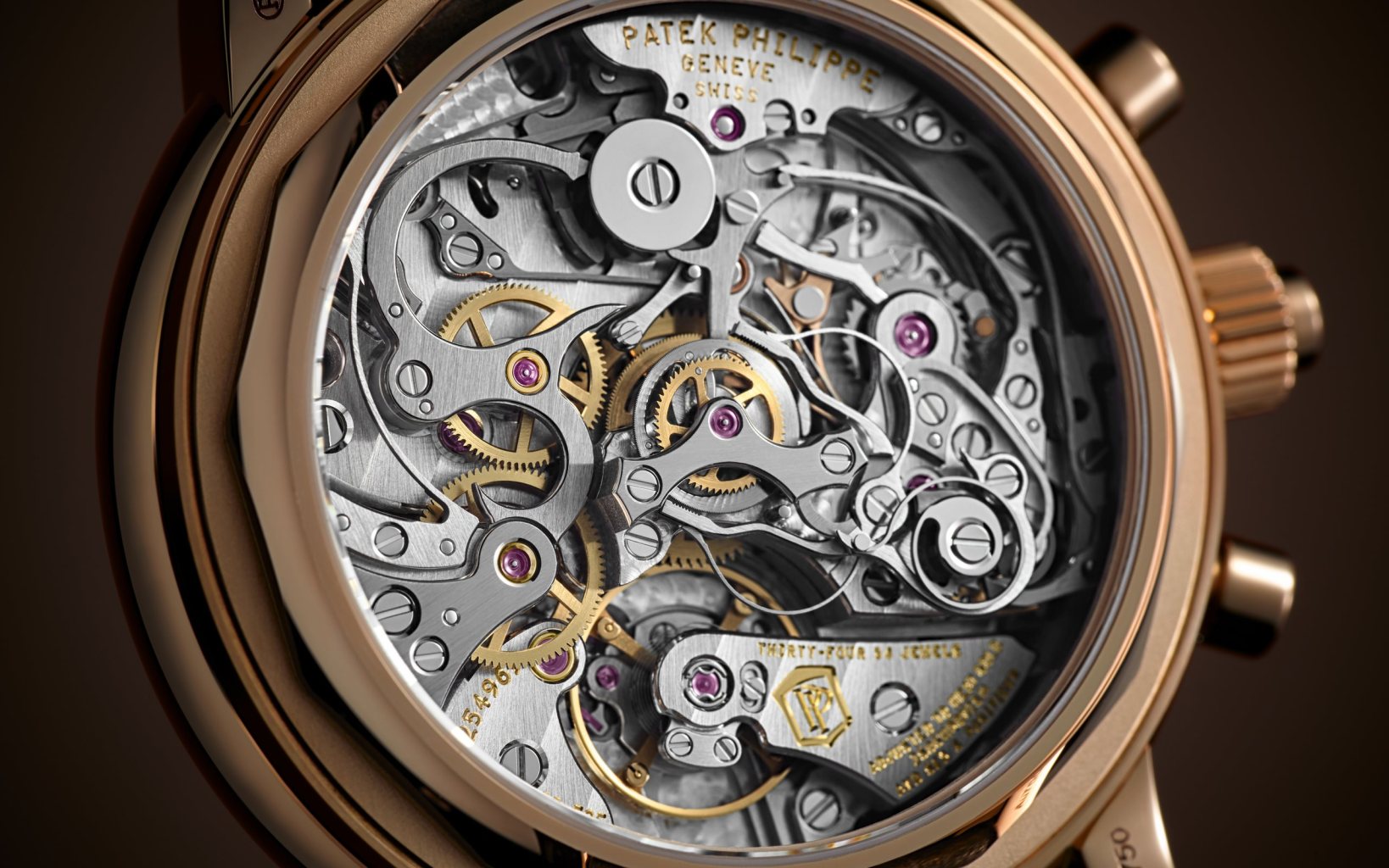
That divergence has fueled the perception that Patek is relatively insulated from the softness spreading through the luxury goods sector. Global macroeconomic conditions, slower growth in China, tighter monetary policy in the U.S. and Europe, and persistent geopolitical uncertainty have begun to put pressure on mid-tier luxury brands, and in some cases even higher up the ladder. And that is not taking into account the current tariff clouds hanging over the Swiss watch industry. But analysts broadly agree that ultra-high-end watchmakers like Patek Philippe may remain less exposed.

Even so, signs of caution are emerging. Secondary market prices for Patek Philippe watches have come down from their peaks. Popular models like the Nautilus 5711, which once sold for four times retail, are now trading at closer to double. That’s still a premium, but a noticeably softer one. In parallel, inventory turnover on platforms like Chrono24 and WatchBox has reportedly also slowed. Listings remain live for longer, averaging more than 170 days before a sale, indicating waning urgency among buyers. This doesn’t necessarily reflect trouble for the brand itself, whose primary market remains fully allocated, but it does reveal a shift in sentiment. The days of automatic appreciation on purchase have given way to something closer to rational enthusiasm. You could think that this might dissuade some potential buyers, in it to flip it.
What distinguishes Patek’s position is not just the price point, but the controlled production model. It is one of the few remaining watchmakers to maintain strict annual caps, reportedly turning down opportunities to expand more aggressively. Should appetite among the ultra-wealthy begin to falter (currently still rather unlikely), the brand may find its options constrained. For now, that pressure remains in my view purely theoretical.
Patek Philippe occupies a space that few other brands can claim. It remains self-contained, highly profitable, and deliberately paced. Quite ideal given the current market conditions, I think?
Patek Philippe’s $2 Billion Business Amid a Luxury Watch Downturn