

It was in 2019 that the industry felt the tremor. Apple, then barely four years into its wearable ambitions, shipped over 30 million watches, surpassing the combined output of all Swiss watchmakers. To some, it was a statistical anomaly. To others, it was the quiet beginning of a horological realignment. Fast-forward to 2025, and the tremor has become a permanent fact. For every mechanical Swiss timepiece sold today, as many as ten smartwatches leave warehouses. Analysts expect 190 million smartwatches to ship this year, Apple again leading the charge with over 32 million units projected. Swiss watch exports by volume, meanwhile, have sunk from 25 million in 2016 to just 16.7 million last year.
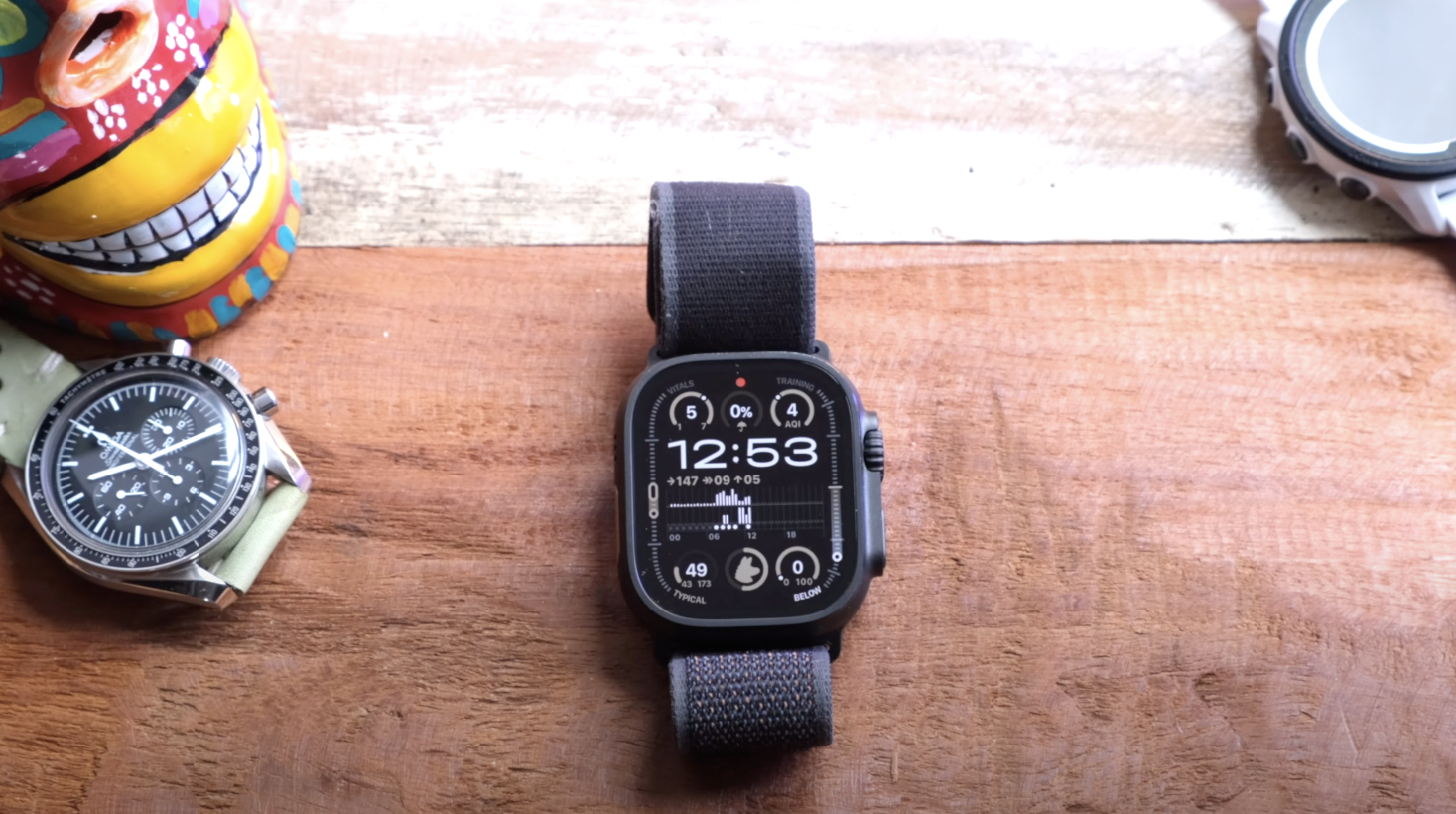
But the disruption is no longer simply numerical. Smartwatches, led by Apple, but also Samsung, Garmin, and Huawei, have changed what consumers expect from their wrists. Timekeeping is now just one of many functions. These devices check heartbeats, guide workouts, manage calendars, track sleep, and sync seamlessly with phones. Among younger buyers, particularly Gen Z, they are not accessories but digital companions. I once thought myself immune to this digital onslaught, yet here I am, the majority of the time I find myself wearing some kind of smartwatch…

The impact on traditional watchmaking has been stark, especially in the entry and mid-tier categories. Brands like Tissot, Hamilton, and even TAG Heuer have seen their sub-$1,000 offerings overshadowed by sleek aluminum rectangles with OLED screens. Deloitte’s 2024 Swiss Watch Industry Study found that among 18-34-year-olds in urban markets, smartwatches were three times more likely to be worn daily than analog watches, regardless of price point.

Faced with this erosion, Swiss makers responded by retrenching upward (read: increasing the average price per watch). Export values continue to rise even as volumes drop, because the average Swiss watch sold is more expensive, more luxurious, and increasingly mechanical. Heritage names, Rolex, Patek Philippe, Audemars Piguet, have never been stronger, their steel models often trading above retail with multi-year waitlists. The Swiss strategy, in essence, is to double down on emotional value: scarcity, craftsmanship, and legacy.

Yet not all legacy brands are clinging to tradition. Japan’s Seiko, once synonymous with affordable quartz and the original villain of the 1980s Swiss Quartz Crisis, has been executing a quiet revolution of its own. Over the last five years, Seiko has dramatically moved upmarket. Its Grand Seiko corporation, once a domestic oddity, is now a global player, competing not with Casio or Citizen, but with Rolex and Omega. In 2024, Grand Seiko opened eight new standalone boutiques, including a flagship in New York, and reported double-digit sales growth globally. Seiko Corporation is now making big leaps forward with its very own high end brand “King Seiko”.
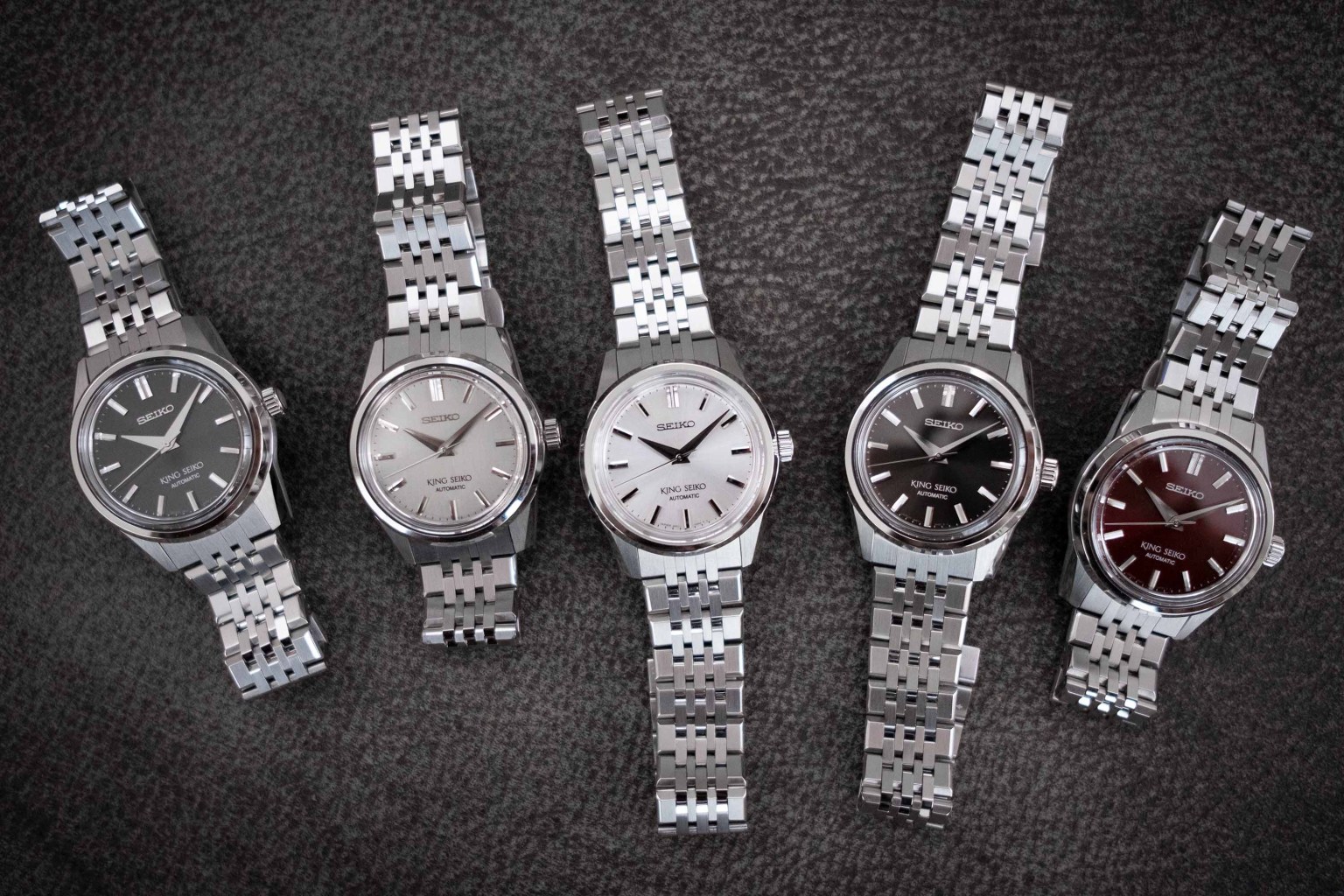
Critically, Seiko has embraced what the Swiss still hesitate to do: merging precision engineering with modern storytelling. Its Spring DriveSpring Drive A Spring Drive movement, pioneered by Grand Seiko, is a type of mechanical watch movement that combines the traditional mechanics of a mechanical watch with the precision of a quartz watch. It uses a mainspring as the source of energy, just like a mechanical watch, but instead of using a traditional escapement, it uses a quartz crystal to regulate the release of energy. The Spring Drive movement is considered to be highly accurate, and is known for its smooth, gliding seconds hand. [Learn More] movements, hybrids of mechanical and electronic innovation, are now celebrated for their silent glide and technological uniqueness. Grand Seiko’s evolution from cult favorite to collector essential shows that even traditional brands, if agile enough, can find renewed life in a smartwatch world. At the same time, its core Seiko line has pruned the lower end, introduced more limited editions, and raised average selling prices while leaning on its legacy in diving, motorsport, and Japanese artistry.

Meanwhile, Apple continues its dominance not only through volume but by ecosystem. The Apple Watch isn’t just a product, it’s part of a lifestyle. It connects to your phone, your AirPods, your health records, your Peloton, even your wallet. No Swiss or Japanese brand can replicate that loop.
Younger buyers raised on Apple Watches are now discovering mechanical watches as emotional counterpoints to their digital lives. In the age where “dumb” phones are gaining in popularity for the first time in decades, I would think there is also clearly a place for mechanical watches.
But there’s still a gap, especially among brands that once dominated the affordable mechanical segment. These companies, often caught between aspirational luxury and smartwatch competition, are finding themselves stranded. Apple has eaten their lunch, and high-end Swiss players are drinking their wine.
Silicon Valley Stole My Wrist