
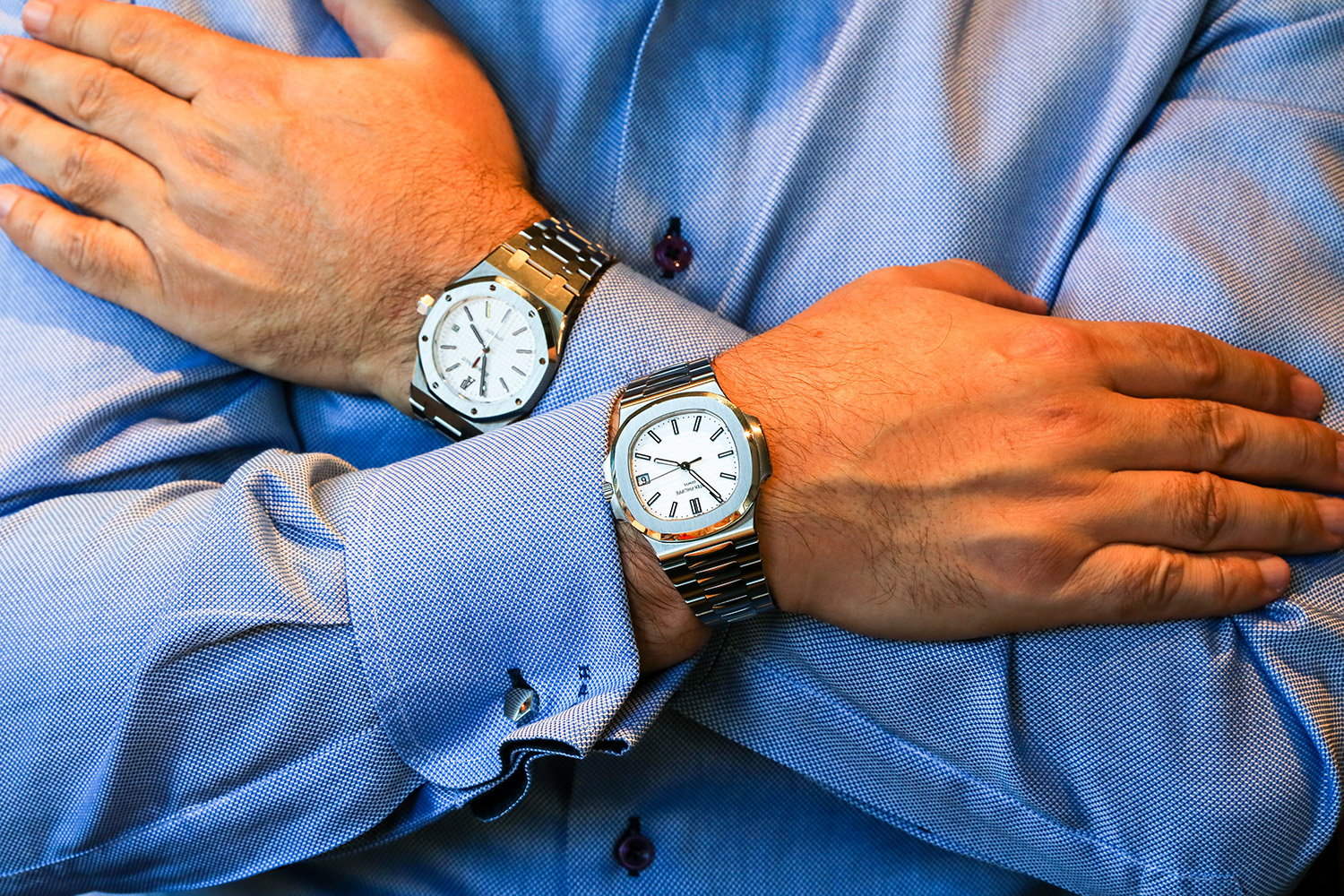

At some point just a few years ago, the watch world seemed to lose its collective horological mind. Stainless steel Rolex Daytonas were trading hands for triple their retail price, Audemars Piguet Royal Oaks became the speculative chips of Instagram’s elite, and even the once humble Omega Speedmaster found itself dragged into the gold rush of the secondary watch market.

The frenzy is, more or less, over. ALthough those of us remembering the pre-2010 era are still kicking ourselves for not loading up on some potentially unnecessary inventory! Relatively speaking, yes, prices have clearly cooled. And the question that hums across the watch world is once again simple: Have we finally reached “peak watch”? Well, in the clearest of vague answers I’m able to give here, I’d like to say that… It depends on what you’re buying (or selling).

The secondary market has evolved. What was once a high-speed casino of grey-market speculation has somewhat matured, into something closer to a proper marketplace. Talking to different market players, from individual collectors to professional marketplaces, it seems quite frankly that the market isn’t collapsing, it’s basically finding an equilibrium. Yes, some pieces are now trading at prices that actually make sense again. Others, still not so much.
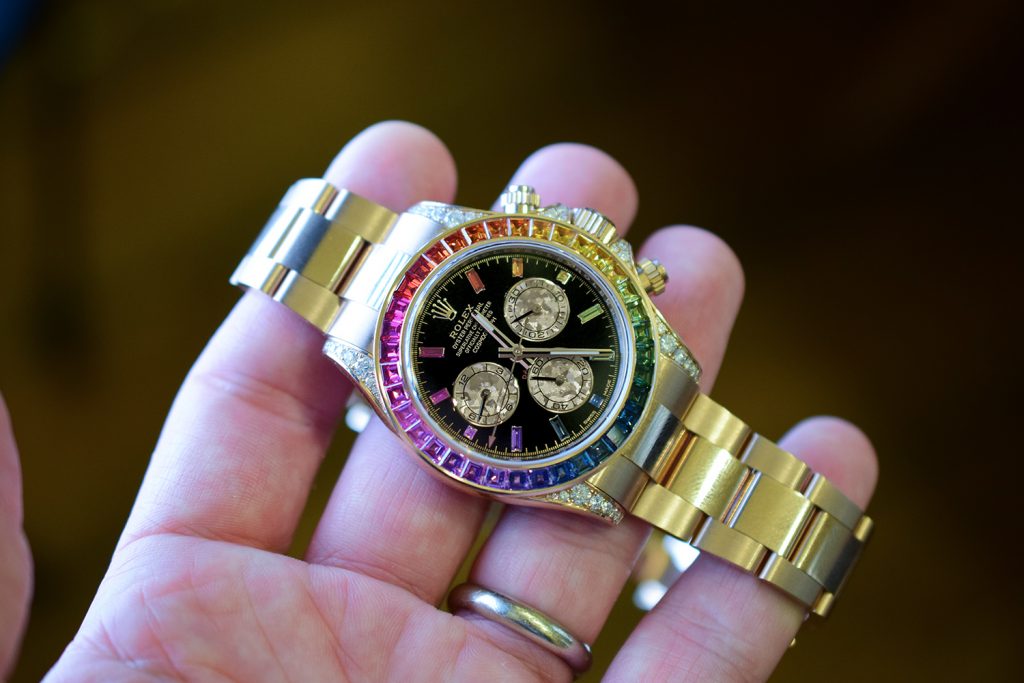
But for anyone hoping the watch bubble’s end has made that Rolex GMTGMT A GMT (Greenwich Mean Time) complication is a feature found in some watches that allows the wearer to track two time zones simultaneously. It typically includes a 24-hour hand and a bezel or a second hour hand that can be adjusted independently of the main hour hand to track the time in a different time zone. [Learn More] you’ve always wanted a steal, temper your optimism. While prices have dropped from their absurd pandemic peaks, Rolex remains the bedrock of the secondary market. It apparently accounts for more than a third of all activity on online marketplaces. Yes, many steel sports models, Submariners, GMT-Masters, Explorers, are down anywhere from 15 to 30 percent from their peak. But they’re still mostly above retail, still hard to find in boutiques, and still seen as a currency of sorts among collectors and casual buyers alike. Meanwhile, less-hyped models like the Air-King or two-tone Datejusts have softened more dramatically. Not every Rolex is equal.

The speculative crowd, flippers who never peeled the stickers off their Daytonas, have mostly moved on. Though, they are definitly around and not going anywhere anytime soon. What’s left is mainly, but not exclusively, a market driven by genuine interest, curiosity, and taste. A well-kept Royal Oak from the 1990s? Still gold. A Hublot Big Bang from 2020? Good luck moving it.

So have we reached peak watch? In a speculative sense, yes. The idea that you could buy a watch on Friday and sell it on Monday for double is largely behind us, save for the odd unicorn piece from Patek Philippe or a Rolex in some illogical retail scarcity. But in terms of cultural relevance and collector depth, the market is maturing, not collapsing.

The market is still far from cheap. But for the first time in a long time, it’s becoming somewhat (but not quite) rational again.
Peak Watch and Adventures in Post-Bubble Watch Buying