


Go to any watch meetup or collector’s gathering, and you can set your watch to it: at some point, the conversation will spiral into a debate over who’s really in-house. Brand A mills its own mainplates. Brand B still buys hairsprings from “outside.” Brand C used to outsource but now swears they don’t, promise. It’s the watch world’s equivalent of craft beer people arguing over which bottle was biodynamically fermented by monks on a full moon. Deeply specific, wildly passionate, and just obscure enough to feel like insider knowledge. But what’s rarely said out loud is that this obsession with in-house purity is rooted in a fantasy, an imagined golden age of artisanal self-reliance. Believe it or not, you, dear reader, drank the Kool-Aid. In truth, the old Swiss watchmaking world was less about vertical integration and more about tightly knit networks of specialists, shared parts, and community know-how.

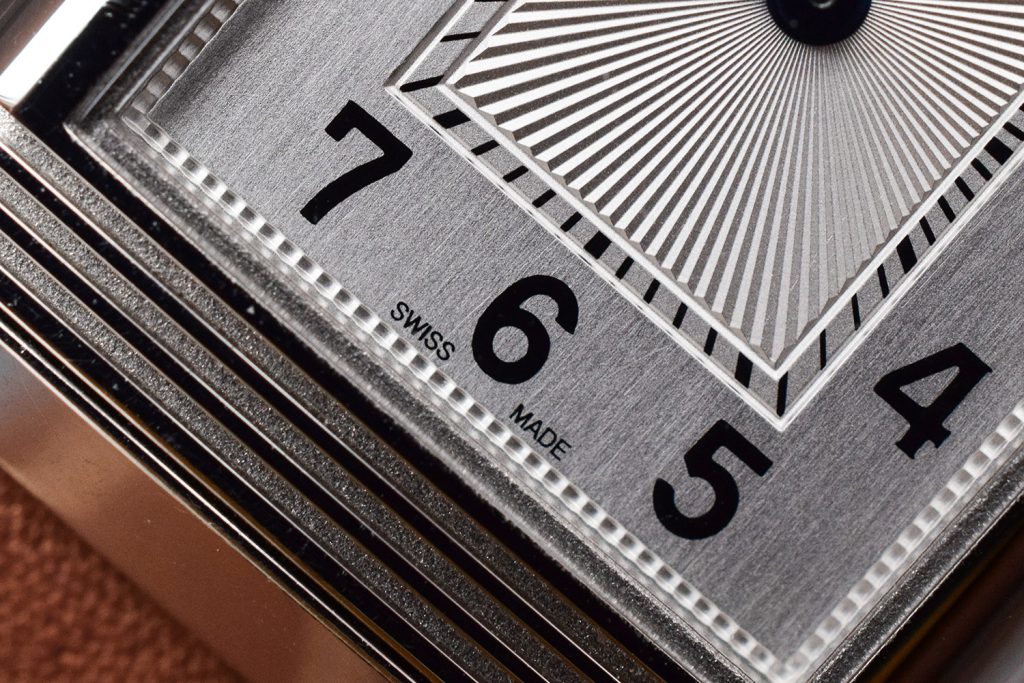
Long before the Swatch Group, Richemont, or LVMH towered over Watch Valley, Switzerland’s watch industry was a quilt of small workshops, specialist artisans, and cooperative cartels, woven together by geography, craft, and communal trust. It was a world defined not by boardrooms and brands but by guild-like dependencies.
From the 17th century onward, Swiss watchmaking was governed by a system called établissage. Craftsmen working in modest atelier spaces would produce individual components, escapements, hairsprings, balance jewelsJewels Watch jewels are small, synthetic sapphire or ruby bearings that are used in mechanical watches to reduce friction and wear on moving parts. They are typically made from corundum. They are used as bearings for a.o. the pivots to reduce friction. [Learn More]. These parts were sold, traded, or delivered to établisseurs, who collected parts and assembled them into complete movements. Final casing, polishing, finishing, and regulation followed, before these timepieces found their way to retailers. As a result, one watch might pass through dozens of hands before being sold. A local census from La Chaux‑de‑Fonds in 1867 listed more than fifty distinct specialized roles, cam cutters, enamelers, guillocheGuilloche Guilloche is a decorative technique used in a.o. watchmaking, it is an engraving process that creates intricate patterns on the dials and other parts of the watch. It is done by using a rose engine, a specialized lathe with a variety of interchangeable cam-driven patterns. The patterns are created by the movement of the machine's cutting tool over the surface of the metal. Guilloche is considered to be a traditional and labor-intensive technique, it requires a high level of skill and experience to produce good consistent results. [Learn More] masters, each integral to the process.


This decentralized model proved resilient and efficient for more than two centuries, until economic pressures and international competition, particularly from the United States, forced wholesale change. By the 1920s and 1930s, Switzerland had initiated the Restauration horlogère, a national effort to rationalize, stabilize, and protect its timepiece manufacturing. Entities like the Fédération des Horlogers (FH) and component-making cartels imposed quotas and standardized prices. The founding of ASUAG in 1931, later joined by SSIH (Omega/Tissot), created holding houses that coordinated production yet still relied on the artisans’ network for supply.

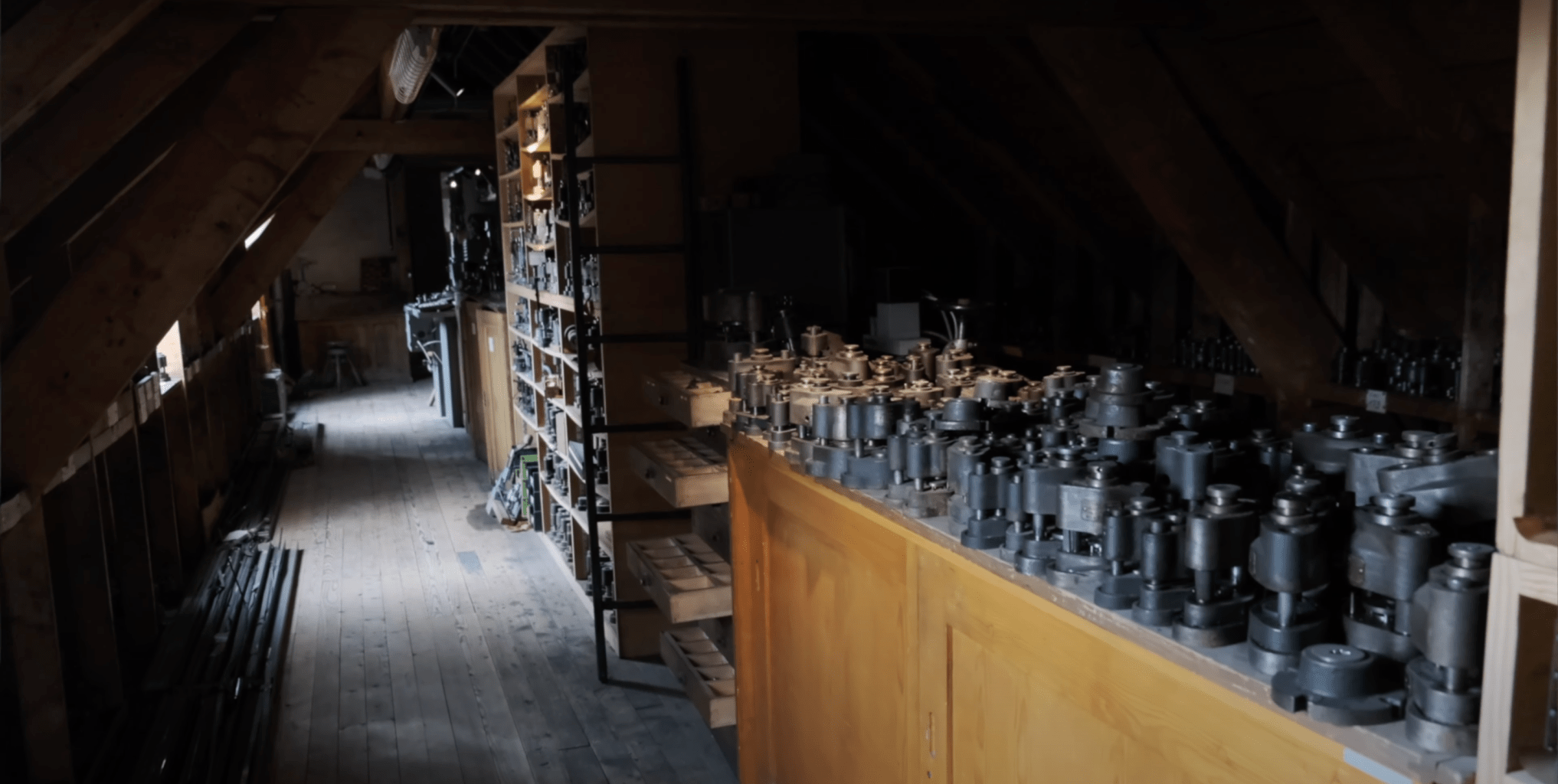
Yet even in the 1960s, the industry was a hybrid: roughly 75 percent of Swiss watch exports came from eight conglomerates, while the remainder were produced by hundreds of micro-watchmakers. Production was still rooted in localized specialist ecosystems, where knowledge passed familial and regional lines. That horizontal structure was both a strength and a weakness, flexible, but slow-moving and fragmented.
Then came the 1969 launch of the Seiko Astron, the world’s first quartz wristwatch, and the Great Disruption began. Japan, followed by Hong Kong and U.S. brands, flooded the global market with accurate, inexpensive quartz watches. Swiss component makers and workshops found themselves undercut by mass-produced movements that cost a fraction to produce. Swiss exports collapsed, from 84 million units in 1970 to under 30 million a decade later, and watchmakers in every valley shuttered. Swiss leaders responded with decisive restructuring. The 1983 merger of ASUAG and SSIH, masterminded by Ernst Thomke and Nicolas Hayek, streamlined component production, slashed complexity, and introduced the Swatch, an affordable plastic quartz watch mass-marketed worldwide. Buoyed by Swatch’s success, Switzerland repurchased many of its iconic brands and pivoted its strategy. The mechanical watch, once endangered, was reimagined as a luxury symbol, an heirloom, a collectible, a mechanical marvel beyond utility.
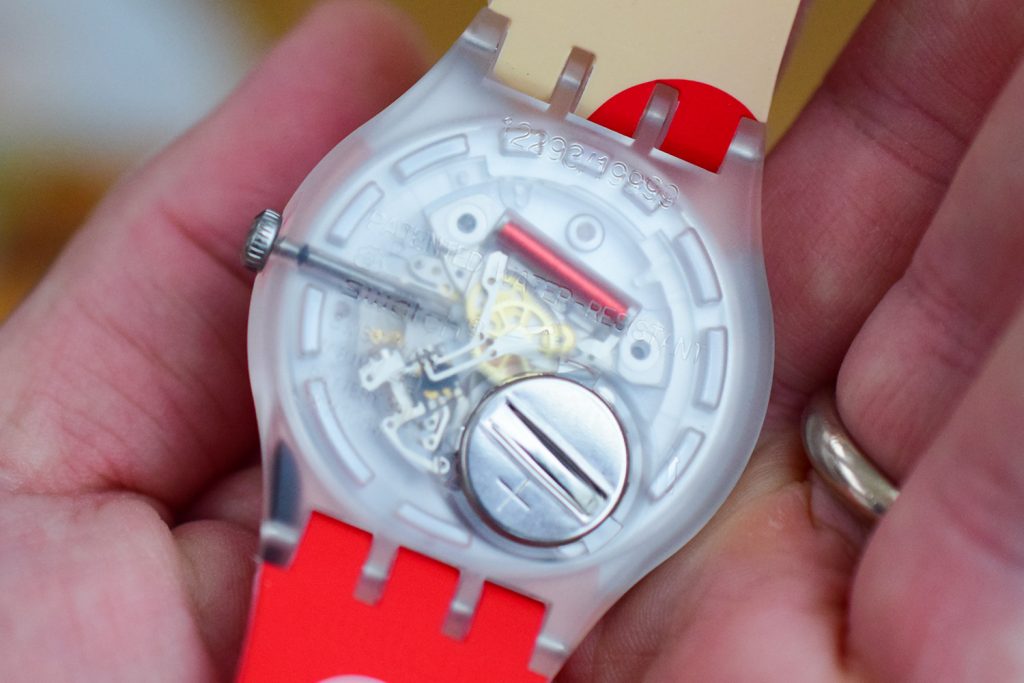
This shift sealed the end of établissage in its traditional form. The artisanal horizontal labyrinth was replaced by vertical integration: in-house movement production, proprietary alloys, internal casing and finishing facilities. The small-cartel model had evolved into sprawling conglomerates. ETA SA, the descendant of cartel-built component makers, now supplies movements, but on its schedule and under parent-company control.
So why is the old model essentially dead? For one, globalization and digital agility demand centralized control. Brands need speed to market, traceability, pricing consistency, and compliance, all harder to enforce in loose regional networks. Regulatory standards like “Swiss Made” require coordination; decentralized nodes can’t guarantee the 60 percent Swiss-cost threshold across diverse suppliers. And after the trauma of the Quartz Crisis and the corporate bailouts of the 1970s and 1980s, regional hubs lack financial independence and strategic autonomy.
Yet the shift carries both upside and downside.
Vertical control allows for tighter quality oversight, economies of scale, and global brand coherence. The singular tragedies of the Quartz Crisis, collapse due to fragmentation, won’t be repeated in today’s corporate context. But something ineffable has been lost. The craft villages are ghosts. Centuries-old traditions of local finishing, spoken knowledge, and community pride have been diminished or absorbed. The artisanal creativity of hundreds of specialist workshops, pioneering exterior decoration, unique case forms, enamel techniques, has been largely replaced by standardized production under factory roofs.
That’s both relief and regret. The vertical model protects premium Swiss watchmaking from external shocks to a certain extent and ensures compliance in a complex global market. Note however that there is a very clear limit to this vertical integration, since a very significant part of the supply chain has essentially been outsourced to the East, thereby undercutting one of the strengths associated with this very model. But, creatively I would say that the boardroom approach has also drained the ecosystem that birthed Rolex, Patek, and Vacheron’s genius in the first place.
Small suppliers no longer hold bargaining power; economies of scale dominate. What remains are the high-end independents, those who rebuild horizontal networks for their niches, and a few specialized workshops preserved under heritage brands. But for the wider industry, resilience and value now come from process control, branding muscle, and centralized supply, not from the artisan cartels of old. What survives of établissage lives on in narratives, marketing prints and museum exhibitions.