


In the world of mechanical watchmaking, the beat rate of a watch movement is a fundamental specification, quietly dictating how a timepiece ticks, how smoothly its second hand sweeps, and even how long it will run before needing to be rewound. Known in horological circles as the “beat rate frequency,” this measure is typically expressed in vibrations per hour (vph) or, more scientifically, in Hertz (Hz), and it plays a pivotal role in the performance and character of a watch.
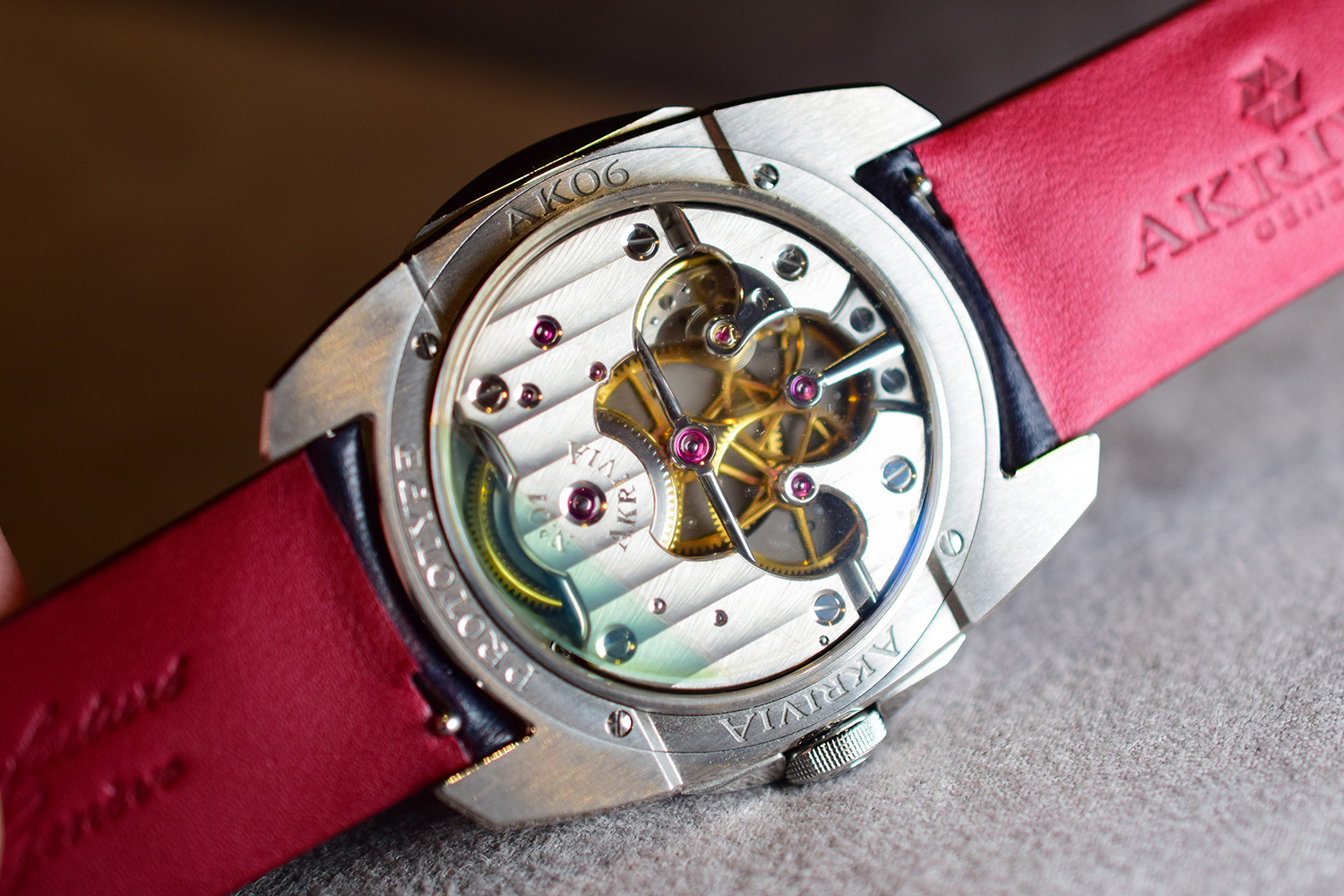
At its core, the beat rate refers to the number of oscillations the balance wheelBalance Wheel The balance wheel is a component of a mechanical watch movement that oscillates at a consistent rate. It receives a small impulse from the pallet fork, which is part of the escapement mechanism. The balance wheel is connected to a hairspring that controls the rate of oscillation of the balance wheel. The balance wheel and hairspring work together to keep accurate time. The oscillations of the balance wheel drive the timekeeping functions of the watch. The balance wheel is a crucial component of a mechanical watch movement. [Learn More] makes in a given period. Most modern mechanical watches operate at a frequency of 28,800 vph, which translates to 8 ticks per second, or 4 Hz. Some beat more slowly, at 21,600 vph (3 Hz), while others aim for high-frequency operation, ticking away at 36,000 vph (5 Hz) or even higher. Though these numbers may seem arcane to the uninitiated, they represent critical decisions by watchmakers, balancing accuracy, durability, energy consumption, and aesthetic appeal.

The beat rate directly affects timekeeping precision. A faster-beating watch averages out small positional errors more effectively over time. Much like increasing the frame rate in a movie reduces motion blur, a higher frequency allows for more data points, making it easier for the movement to stay accurate in a variety of positions or under different levels of shock. That’s why historically, chronometers, timepieces certified for precision, often employ higher beat rates.

Consider Zenith’s El Primero movement, introduced in 1969. Beating at 36,000 vph, it was one of the first high-frequency automatic chronographChronograph A chronograph complication is a feature in a watch that allows the wearer to measure elapsed time in addition to telling the time. It works by having a separate set of gears and levers, called the chronograph mechanism, which is activated by pressing a button or a pusher. The chronograph mechanism starts and stops the chronograph's second hand, which is usually located on the watch's dial, separate from the regular watch hands. The elapsed time is usually displayed on a sub-dial or a register on the watch's dial. [Learn More] movements, allowing the stopwatch function to measure time down to 1/10th of a second, an unprecedented level of granularity at the time. It became a benchmark in the industry not only for its performance but also for the engineering finesse needed to achieve such speed reliably.

However, higher frequency comes at a cost. The balance wheel, escapementEscapement The escapement is a mechanism in a mechanical watch movement that regulates the release of energy from the mainspring and keeps the watch ticking at a steady rate. The escapement is made up of two main components: the escape wheel and the pallet fork. The escapement is responsible for the ticking sound of the watch, and it ensures that the watch runs at a consistent rate. As the escape wheel rotates forward, it locks and unlocks with the pallet fork, allowing a small amount of energy from the mainspring to be released. This causes the balance wheel to oscillate and the watch to 'tick'. [Learn More], and associated components must move more rapidly, creating greater friction and requiring more energy. That, in turn, affects the power reserveRéserve de marche Also known as Power Reserve. A watch's power reserve refers to the amount of time a mechanical watch can run without being wound. The power reserve of a mechanical watch can vary depending on the size of the mainspring, the efficiency of the gear train, and the rate at which the mainspring releases energy. If a watch has a Power Reserve 'complication' it simply means that the status of the power reserve can be seen on the watch itself (either on the dial or movement side of the watch). [Learn More], the length of time a watch can run on a full wind. A standard movement running at 28,800 vph might enjoy a 60- to 80-hour power reserve, depending on the size of the mainspringMainspring The mainspring is a spiral-shaped metal spring that stores energy in a mechanical watch movement. It is located inside the barrel. The mainspring is wound, either manually or automatically. The mainspring unwinds over time, and the watch will stop running when the mainspring is fully unwound. [Learn More] and efficiency of the gear train. But increase the beat rate to 36,000 vph, and that power reserve often shrinks unless countered with engineering solutions like a larger mainspring barrelBarrel The barrel is a cylindrical container that holds the mainspring. The barrel is connected to the winding mechanism. The winding mechanism rotates the barrel, which in turn winds the mainspring. [Learn More] or dual barrels working in tandem.
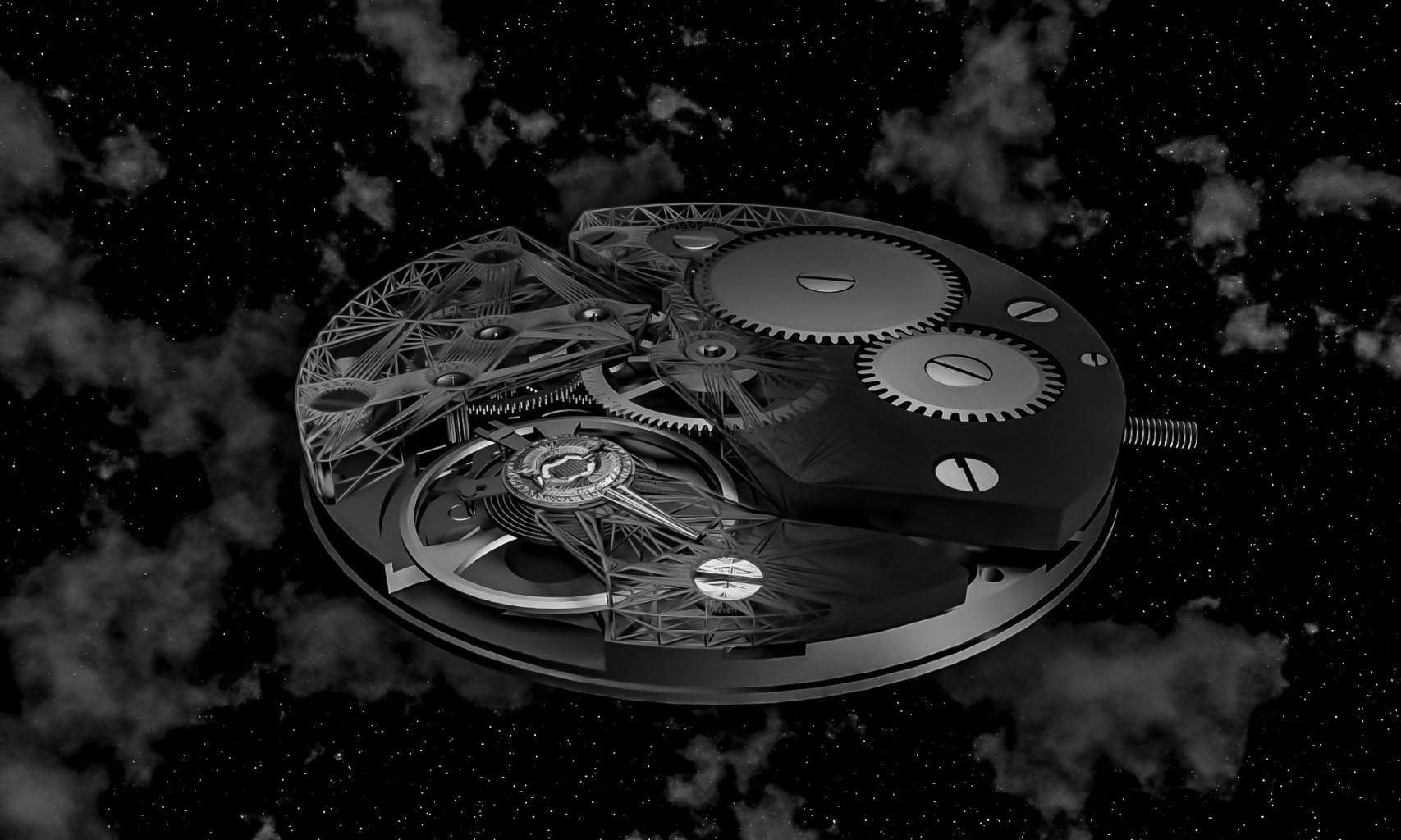
Durability is another consideration. High-frequency movements, operating under greater mechanical stress, can suffer more wear and tear over time. That’s why brands investing in these calibers, such as Grand Seiko with its 10-beat Hi-Beat 36000 series, often employ advanced materials like silicon or MEMS-fabricated components to reduce friction and extend longevity.

Still, there’s a place for slower beats. Many independent watchmakers and haute horlogerie houses deliberately design movements at 18,000 or 21,600 vph, both for traditional aesthetic reasons and to reduce wear. A slower tick gives the seconds hand a distinct, more deliberate rhythm, prized for its vintage charm. It also allows for longer power reserves and simpler servicing needs, making it appealing in dress watches or watches meant to last generations.

TLDR? The beat rate is a trade-off, between precision and longevity, efficiency and aesthetics.
How Beat Frequency Affects a Watch’s Accuracy and Longevity