
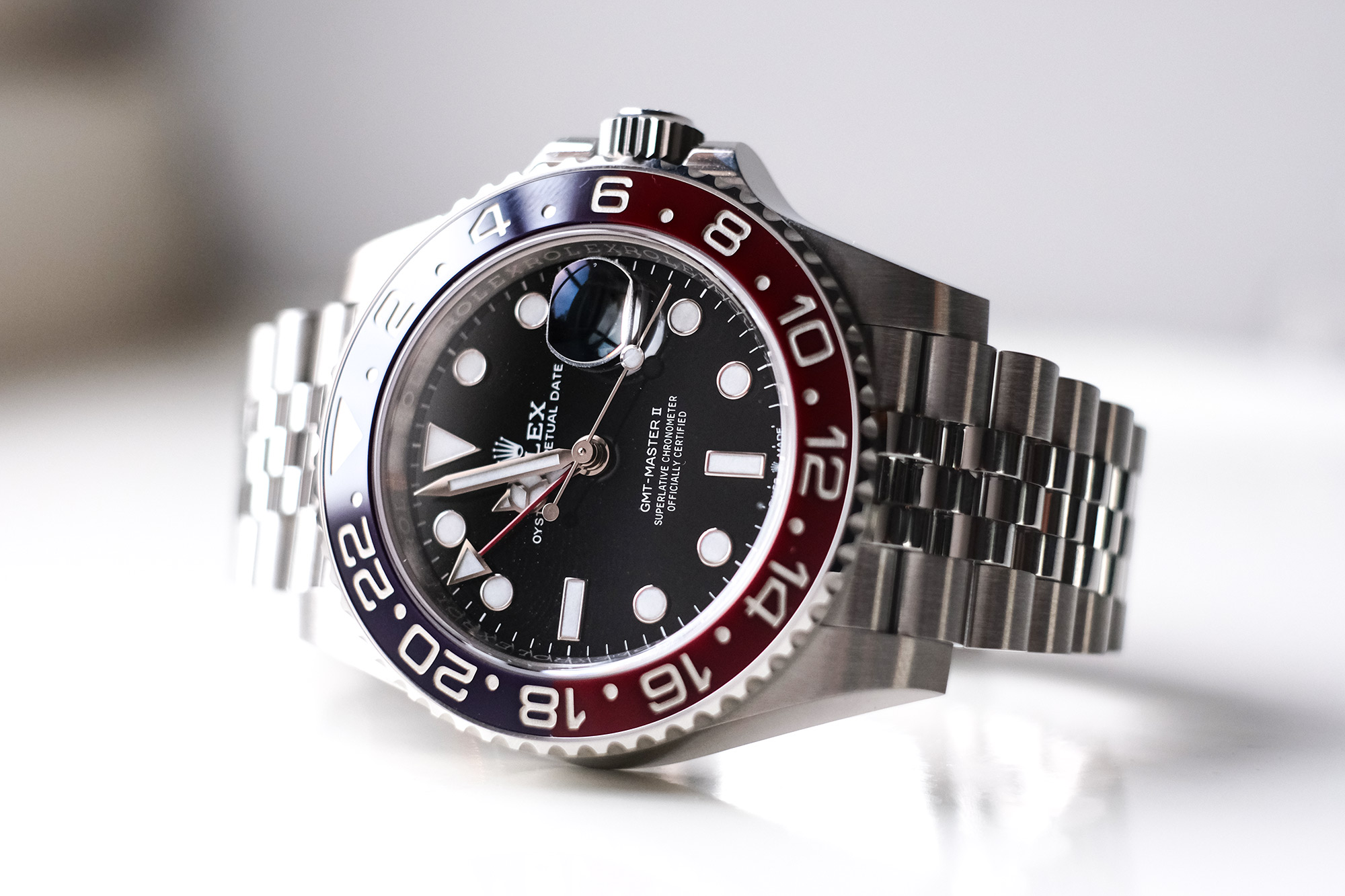

Some good news to start the year? Well yes, potentially, for anyone still somehow aspiring to get on a Rolex wait list… For much of the past decade, the idea of walking into an authorised dealer and leaving with a steel Rolex felt closer to fantasy than reality. Whether real or not, scarcity was the name of the game, and it seemed to require some form of pay to play (Yes, I’m looking at you, Gold Day-Date). Waitlists stretched into months and even years, resale premiums soared, and scarcity became part of the brand’s modern mythology. But as the market moves through looks toward 2026, that long-standing imbalance is beginning to soften, a development that may quietly tilt the scales back in favour of the consumer.

Recent reporting suggests that waitlists for ultra-desirable luxury goods, including Rolex watches, are no longer lengthening at the pace they once did. In some cases, they are getting shorter. This is not the result of a sudden flood of supply, but rather a cooling of the frenzy that defined the post-pandemic luxury boom. Demand is still strong, but it is no longer relentlessly accelerating.

Throughout the early 2020s, stainless-steel sports models such as the Explorer, Submariner, GMTGMT A GMT (Greenwich Mean Time) complication is a feature found in some watches that allows the wearer to track two time zones simultaneously. It typically includes a 24-hour hand and a bezel or a second hour hand that can be adjusted independently of the main hour hand to track the time in a different time zone. [Learn More]-Master II and Daytona became some kind of twisted financial instruments and stopped being watches. Access at retail was limited, resale prices detached from list, and the grey market thrived on the simple fact that waiting was often the only alternative. Today, that pressure appears to be easing. Enthusiasts report more realistic delivery timelines, particularly for core models, and a growing sense that a little bit of patience, rather than connections or inflated secondary prices, may once again be enough.

To be perfectly clear, Rolex does not operate formal waitlists, relying instead on local dealer discretion, which makes availability uneven by design. Yet when secondary-market prices cool and inventories turn over more smoothly, authorised dealers gain flexibility. Watches that once vanished the moment they arrived are now, in some markets, staying just long enough to be sold to genuine clients rather than immediately flipped.
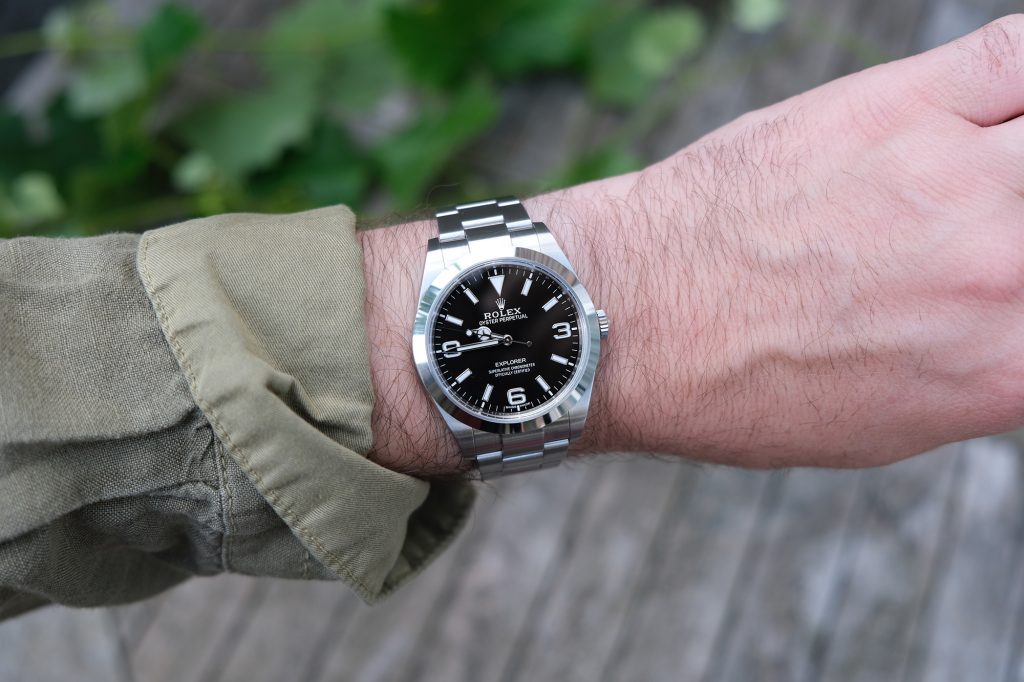
This is less welcome news for resellers. The extraordinary margins of recent years were built on structural scarcity and speculative demand. As that demand normalises, so too does pricing. A Rolex that can be obtained at retail within a reasonable timeframe loses much of its appeal as a short-term trade. The watch remains desirable, but the profit window narrows.

The mood has changed. The sense of permanent shortage, of being locked out unless one pays a premium, is fading. Looking ahead to 2026, this could mark a healthier phase for the brand’s ecosystem. Collectors may find themselves dealing less with speculation and more with choice. For those who care about watches first and markets second, that may be the best news in years.
More analysis also here in this recent article in the Wall Street Journal
Auf Wiedersehen