
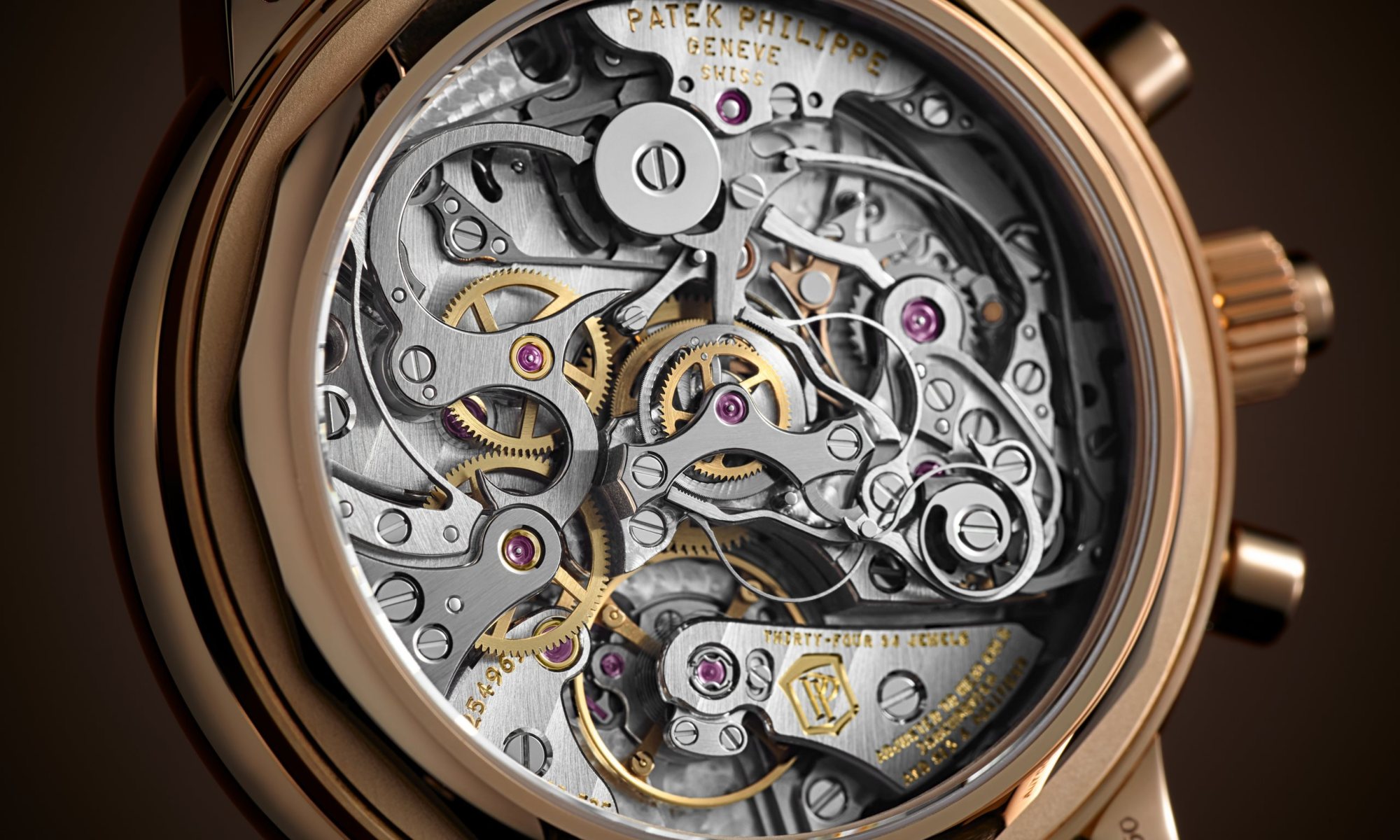

The Swiss luxury watch industry is one of the few remaining global sectors where production transparency is effectively nonexistent. Privately owned brands, tight-lipped suppliers, and a long tradition of secrecy around unit costs and margins make it difficult to assess the economics of high-end watchmaking. Patek Philippe, a Geneva-based manufacturer founded in 1839 and still family-owned, is a case in point.
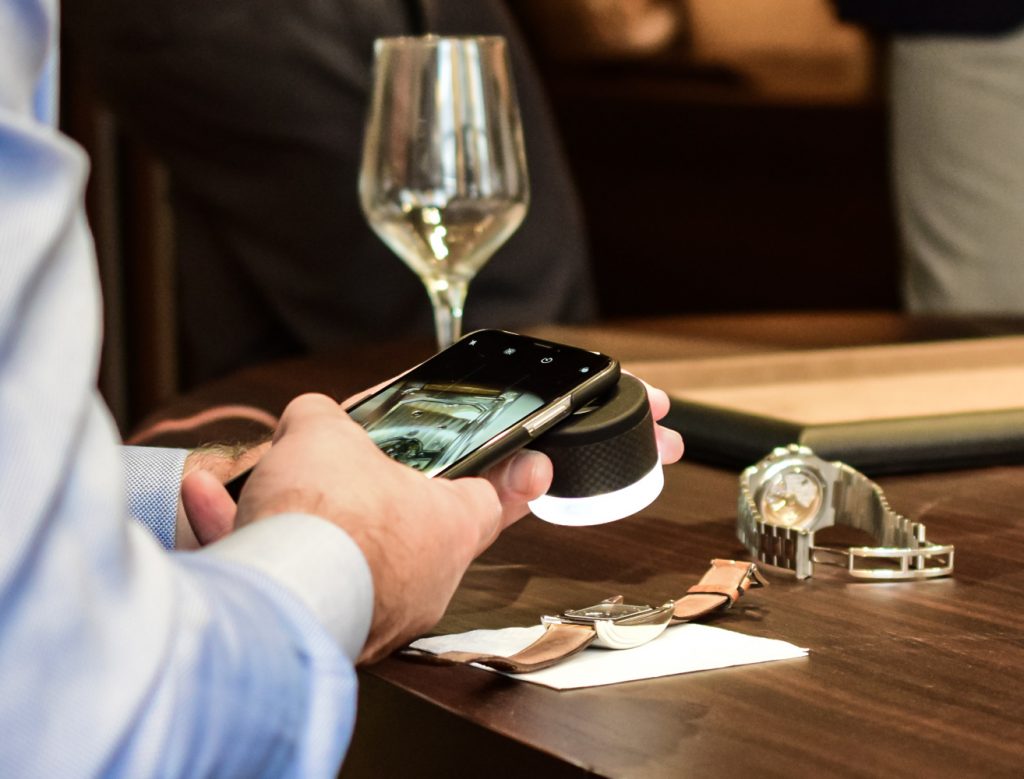
This is very much a guesstimate. A speculative dive into the murky waters of Swiss watch economics, not a forensic takedown of Patek Philippe’s balance sheet (which, to be clear, I obviously don’t have). Think of this as a financial thought experiment. After weeks spent buried in charts and tariff schedules, I took a detour, albeit a slightly unhinged one, down a Sunday-morning rabbit hole fueled by caffeine and good old-fashioned burnout. My numbers may, and most certainly will, be off. I’ll start “easy” and work my way up to the impossible here, so potentially my estimates go from bad to terrible really quickly here. Let’s see.

Let’s start with the one where one usually begins with Patek Philippe, the Stainless Steel Nautilus. Before its retirement in 2021, it was priced at approximately CHF 32,000 at retail. The watch features a stainless steel case and bracelet, a time-and-date automatic movement, and relatively straightforward finishing. The cost of raw materials, primarily steel, sapphire crystal, and dial components, is unlikely to exceed CHF 2,500. Add approximately 40 to 60 hours of skilled Swiss labor at a fully loaded rate of CHF 45 per hour, and the labor component totals around CHF 1,800–2,700. Including other things such as (and I’m surely forgetting some) movement components, packaging, quality control, and warranty provisioning, the total estimated cost of production falls in the CHF 6,500–9,000 range.
This gives us a gross margin of approximately 70–80%. Maybe my calculations are off? Somebody please tell me. On the secondary market, where prices soared to CHF 100,000 or more at the height of demand, the value inflation became purely speculative. The Nautilus was, in short, a high-margin product produced in relatively higher volumes, likely several thousand units per year, benefiting from scale efficiencies in both movement production and case machining. From a numbers perspective, a good deal, it was not, unless you got one at retail and sold it on the secondary market for a significant profit.

A more mechanically complex model, the Patek Philippe 5235/50R-001, tells a different story. If you haven’t yet, make sure to watch our detailed video review on this spectacular watch right here. This annual calendarAnnual Calendar An annual calendar is a complication in a mechanical watch that automatically adjusts for the different lengths of the months, except February, and only requires one manual adjustment per year at the end of February. It has a mechanism that takes into account the different number of days in each month and automatically adjusts the date accordingly. [Learn More] watch, housed in a rose gold case and featuring a regulator-style dial, is powered by the caliberCaliber The caliber ('movement') is the heart and engine of a watch. It consists of a number of interconnected components that work together. Energy is transmitted through the gear train, to the escapement mechanism. The escapement mechanism releases this energy in a controlled manner. This drives the gear train, which ultimately rotates the hands of the watch and keeps time. [More Info] 31‑260 REG QA — a micro-rotor movement with over 300 parts. Retailing at roughly CHF 52,100, this reference represents a step up in production cost. But it also moves into another league in terms of materials, finishing and complications. I think that might actually eat away at the margin commanded by the retired 5711.
I’m no expert here, but I do believe gold is still more expensive than steel. Yes? So then let’s say the 18k rose gold case and deployant clasp alone account for roughly CHF 9,000–10,000 in raw material costs. The movement, with its unusual layout and more involved finishing will take more time than the previous one, so let’s say it takes 150–250 hours to assemble, test, and regulate. Assuming an average of CHF 45 per hour in total labor cost, labor adds CHF 6,750–11,250. Movement components and decoration contribute an additional CHF 8,000–12,000. Miscellaneous things as mentioned for the 5711, let’s say they add CHF 5,000–10,000 per unit. The total estimated production cost lands in the CHF 32,000–53,000 range, putting gross margins anywhere from tight to modest, depending on actual time and batch size.

At the top of the catalog, Patek’s minute repeaters represent the most labor-intensive and expensive examples of traditional Swiss watchmaking. These watches feature acoustic chiming mechanisms requiring extremely fine tolerances, tuning, and manual adjustment. A typical Patek minute repeaterMinute Repeater A minute repeater is a complication in a mechanical watch that allows you to hear the time by activating a chime. It chimes the hours, quarter hours, and minutes on command by activating a slide or a button. The mechanism is based on a set of gongs and hammers that strike the gongs to produce the chimes. The minute repeater is considered to be one of the most complex and difficult complications to manufacture. It is a traditional complication that was used in the past to tell time in the dark or in low-light environments. [Learn More] is powered by a movement with 600 to 700 parts and may require 200 to 300 hours of labor from one of the firm’s most experienced watchmakers. So I’m not only expecting high material cost, but a lot of time spent at a higher cost per hour.
Platinum or 18k gold cases are standard, let’s say here adding CHF 12,000–15,000. The movement components, including tuned gongs, hardened hammers, and strike regulators, are super low-volume and always customized. Total labor costs easily exceed CHF 10,000–15,000, and may reach CHF 20,000 depending on complexity. With R&D amortization, acoustic testing, case finishing, and servicing infrastructure added in, the total estimated cost of a minute repeater lies in the CHF 70,000–110,000 range. Retail pricing typically begins around CHF 200,000, implying gross margins of 45–65%, and sometimes higher depending on model and casing.
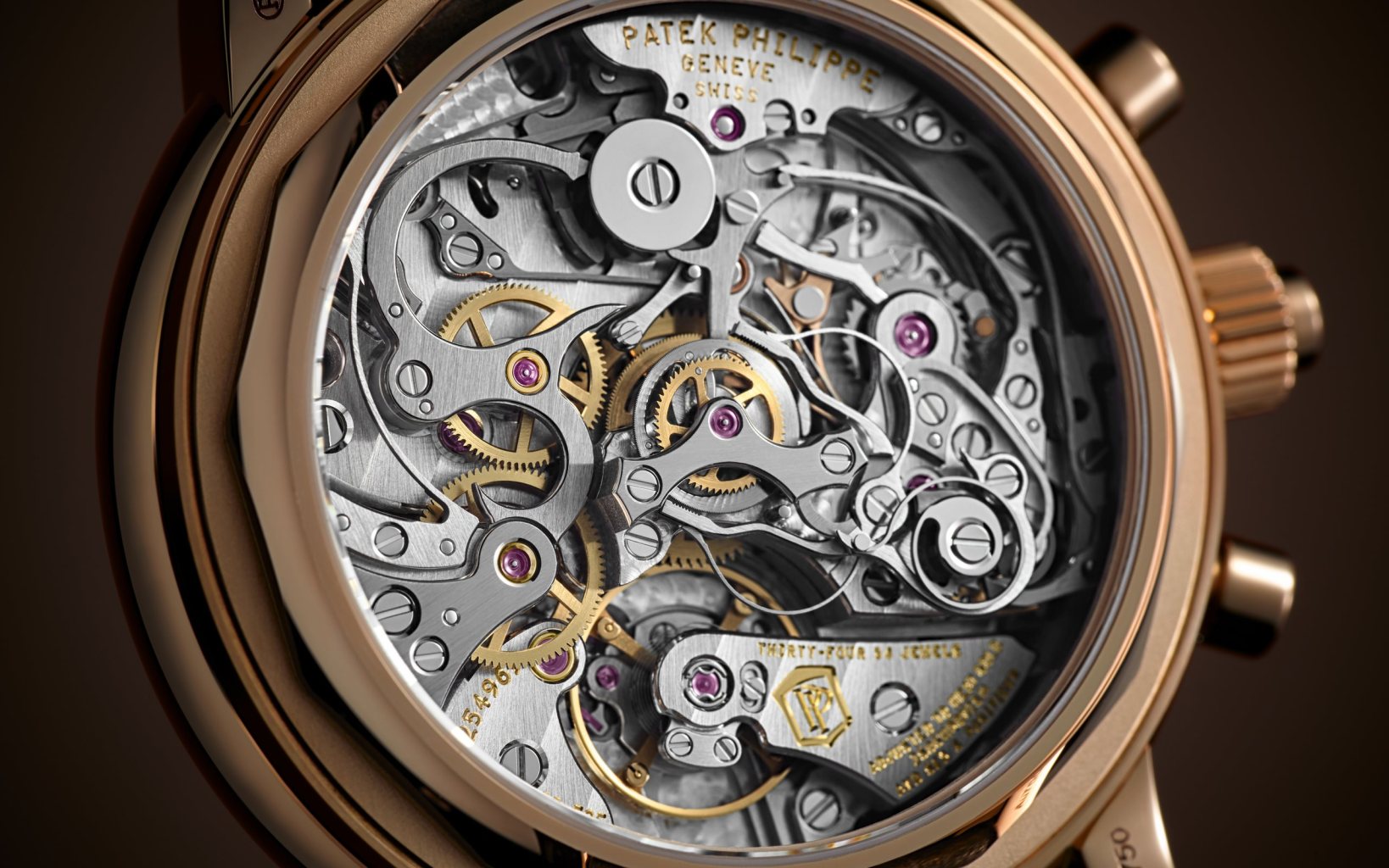
Taken together, these three examples, a discontinued steel sports model, a mid-tier complication, and a flagship chiming watch, illustrate a potentially wide range of cost structures in Patek’s lineup, and in luxury Swiss horology more broadly. Once again, I insist, this is a thought exercise, fueled by excess of caffeine and lack of sleep, so please, dear reader, don’t base any serious financial decisions on this article.

Unlike most manufacturing sectors, the luxury watch industry operates with limited transparency, minimal competition disclosures, and heavily controlled distribution channels. Margins remain high, and brand power plays a disproportionate role in pricing. Pricing in this industry is driven more by perceived exclusivity and positioning than by direct input costs. Everyone knows that. However, people also tend to underappreciate how expensive some steps are. If a movement has 50 screws, which require hand polishing etc.. all of that adds up quickly.
Estimating Production Costs at the Top of Swiss Horology