

A decade ago, the luxury watch industry stood as one of Switzerland’s most reliable economic treasures, exporting heritage and precision in polished steel and gold to every corner of the world. From the crowded boutiques of Hong Kong to the plush salons of Beverly Hills, the demand for fine timepieces appeared insatiable. As Swiss exports soared, fueled by a surge in Chinese affluence and an American appetite for mechanical craftsmanship, the industry basked in the glow of what many saw as a golden age. Also known as “Peak Watch” in the community.
But the shine is beginning to dull. What began as a slowdown in Greater China, long the dominant engine of growth for brands like Patek Philippe, Cartier, Omega, and Rolex, has now become a more structural shift. The decline in China has been well documented here at DE GRIFF, so I won’t go into further detail here. However, a development that is rattling even the most seasoned industry executives is that the same warning signs are now flashing red in the United States, the industry’s other and main major stronghold.

For years, China represented the golden opportunity for near effortless luxury watch sales. Tourists from the mainland flooded boutiques in Hong Kong and Europe, hunting for scarce models and brand emblems as symbols of rising status. As an example likely familiar to our European readers, a simple walk down the Avenue des Champs-Élysées in Paris was all it took to see this in action. These queues are now shorter, much shorter. Within China itself, domestic retail infrastructure grew rapidly, and watchmakers responded by opening flagships and appointing local ambassadors. But that period of seemingly unstoppable expansion has come to an end. A combination of macroeconomic unease, a slumping property market, high youth unemployment, and a crackdown on ostentatious spending has made Chinese consumers more cautious. Even wealthy individuals are opting to save more and buy less. Or rather, they seem to have turned the cold shoulder to luxury brands to a certain extent and prefer spending on travel and such experiences.
At first, watchmakers looked west, hoping the United States could once again pick up the slack. For a brief period during and after the pandemic, that seemed possible. American demand surged, fueled in part by stimulus-era spending and a resurgent interest in collecting among younger demographics. Brands expanded their boutique footprints, launched U.S.-specific limited editions, and rode a wave of social media-driven enthusiasm. But that momentum has faded. Beneath the surface, American demand is softening in a way that industry veterans find troubling.
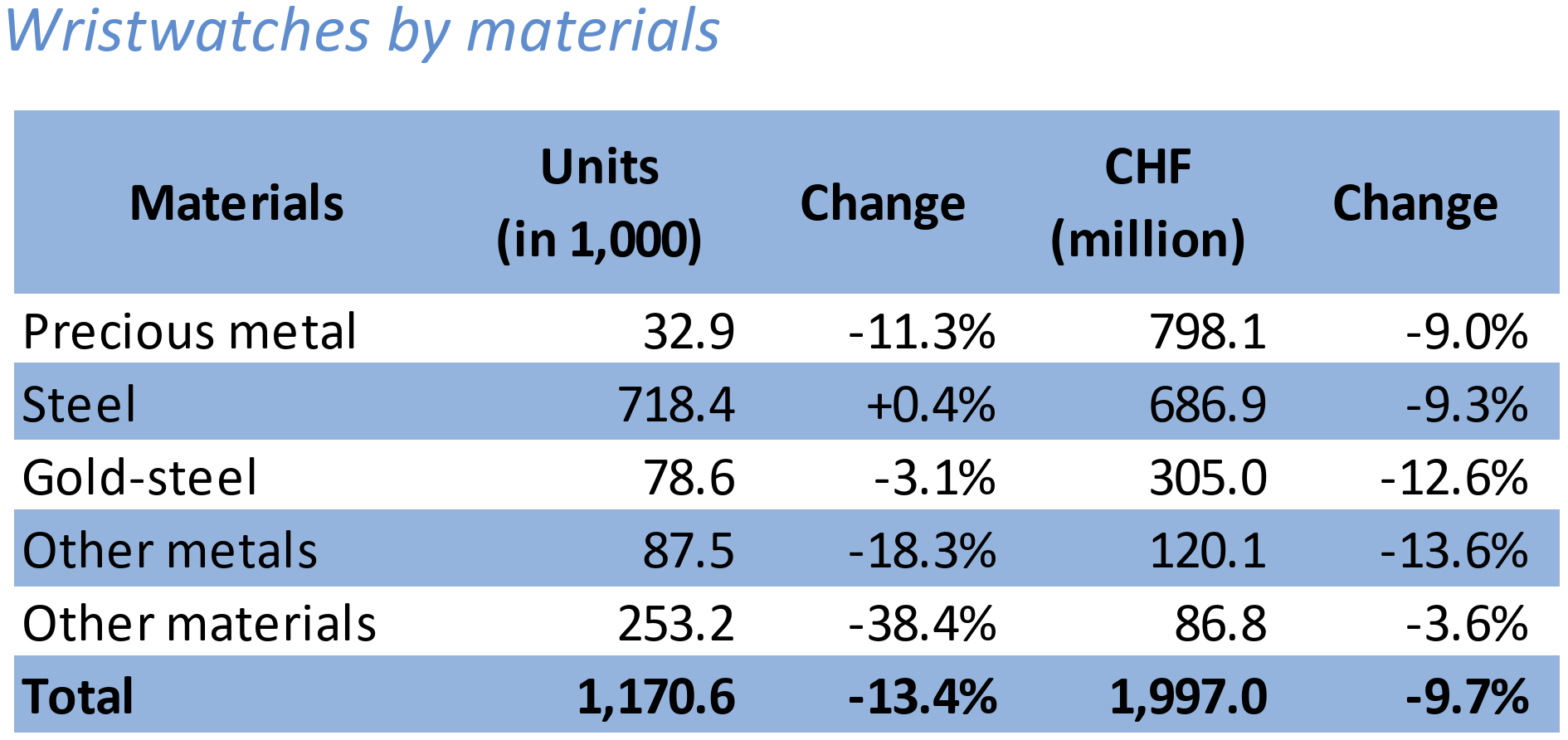
The signs are unmistakable. Inventory in boutiques is no longer as constrained. Retailers speak quietly of overstock, particularly in the mid-range luxury segment. Consumers who were once eager to snap up new releases are taking more time to consider purchases. For many brands, the American market had become a safety net, cushioning the blow from China. Now, that safety net appears less dependable.
Several factors are contributing to this shift. One is the broader economic environment. Inflation has remained high in the U.S., and interest rates are elevated. That combination has squeezed disposable incomes and made luxury discretionary spending feel more like indulgence than investment. Compounding this is the looming threat of trade barriers. A new round of tariffs on European luxury goods, including watches, has been proposed by U.S. policymakers, reviving the spectre of trade tensions that had momentarily faded. If implemented, these changes could add significant costs to imported timepieces, disrupting pricing strategies and straining retailer relationships. Some brands have already raised U.S. retail prices by as much as ten percent in anticipation, while others have taken a more measured approach. Even so, the uncertainty alone is enough to dampen consumer enthusiasm.
Currency movements are also playing a role. A strong Swiss franc makes exports more expensive in dollar terms, shrinking margins or forcing price increases that risk alienating buyers. This is particularly acute in the United States, where buyers are increasingly value-conscious. As price tags climb into the five and six figures, expectations for uniqueness, finishing, and brand story become exponentially higher.

In this changing landscape, collectors are behaving differently. Where once novelty or scarcity alone could drive hype, to a certain extent there is now a return to fundamentals. Craftsmanship, heritage, movement architecture and brand philosophy matter more. Buyers are comparing offerings more critically, asking hard questions about what distinguishes one automatic three-hander from another, or whether a limited edition justifies its markup beyond a different dial colour.
The secondary market, too, has exerted pressure. As prices of popular models corrected from their pandemic-era peaks, many collectors began looking to the pre-owned segment for better value. Brands accustomed to commanding full price on release are finding themselves in direct competition with barely-worn alternatives available at a discount.
The implications of all this are starting to shape corporate strategy. Swatch Group has scaled back production in several lines and reduced its new model introductions for 2025. Richemont, while bolstered by its strong jewellery houses, is seeing pressure on its specialist watch brands. LVMH, whose watch division includes TAG Heuer, Hublot and Zenith, recently appointed veteran executive Michael Burke to oversee the Americas. Burke’s return is not merely a symbolic reshuffle. It reflects the growing complexity of managing brand portfolios in an environment where regional dynamics are no longer predictable.
Underpinning all of this is a shift in what luxury means to a new generation of buyers. They are still willing to spend, but the decision-making process is more deliberate. They read movement specs, question markups, follow independent watchmakers and demand digital touchpoints. They are just as likely to discover a watch on Reddit or Discord as in a boutique window.

This is not the end of these horological times, of course. The ultra-high-end segment remains remarkably resilient. For the wealthiest buyers, who are largely insulated from macroeconomic trends, demand for grand complications and unique commissions has remained steady. This bifurcation, between cautious mass-affluent buyers and the ultra-wealthy, is becoming a defining feature of the modern luxury market. After years of explosive growth and possibly overexuberant expansion, the watch world is entering a more sober phase. Those who understand this moment not as a setback, but as a chance to rebuild trust and purpose, may well emerge stronger.
The Changing Economics of Luxury Watches